


For a hundred or so of you, this is the first installment of this newsletter that you’re receiving. Many of you made your way here because Tressie McMillan Cottom mentioned me in the New York Times earlier this week. In March I shared a list of “political economies of the contemporary.” That list “inspired” Cottom to start making her own.1 My list was largely comprised of works by scholars and journalists who appeared in “A Tale of Today,” a 26-episode season of The American Vandal Podcast which ran from Fall 2024 to Summer 2025. And the set of books Cottom proposes for her Reading Ahead project also includes six authors who have been guests on The American Vandal (as Cottom herself has). So, while I hardly thought when I was posting that list to Bluesky it would have a half-life longer than a few hours, the thinking (and reading) behind it goes back years.
Like Cottom, I’ve been spending a large portion of my time engaging with scholars and journalists who “aim to explain how technology, politics, money and power are reshaping our world” and I’m specifically looking for “common themes, patterns and novel questions about data politics.” If you’ve been reading or listening to American Vandal for more than a few weeks, you already knew that.
I’ll return to the content of these lists at the end of this post, but I don’t think the content matters as much as what Cottom proposes we should do with it. I actually think that if you were to pick any three books at random out of the dozen or so Cottom or I mentioned the desired outcome would not be meaningfully different. And we could pretty easily find another dozen or so books well worthy of being included on this list, some of which have been published very recently.2 It is the invitation to read deeply from these macro-theories of the present, to listen carefully to their creators, and to have critical conversations about them that I think matters most about what Cottom proposes.
At one time in history these might have been relatively standard practices for readers of the New York Times. But these days I see little evidence that deep reading, careful listening, and critical conversation about our present epoch regularly take place. There is no reason it must be that way. But one thing that will happen if you do what Cottom prescribes is that you’ll figure out that it did not become that way by accident.
Cottom’s preliminary list is comprised of books from trade publishers about topics (A.I., fascism, etc.) and people (Elon Musk, Sam Altman, etc.) that are regularly in the news. She has intentionally chosen books that are written by professional journalists or public scholars, but despite being stylistically accessible these books do not affirm any of the conventional accounts one is most likely to encounter from news headlines and soundbytes. I promise that if you read Cottom’s list (or, I suspect, even half of Cottom’s list) you will have an experience of epiphanic defamiliarization. Things you thought you comprehended will seem newly strange and terrifying. And you will have to reckon with feelings of ignorance, complicity, and victimization. Sounds like fun, right? Can’t wait to get started!
What I love most about Cottom’s invitation, however, is that if we take it up, it is not a prequel to action, it is direct action of itself. This is not a case of go do the reading and then you can start making a plan. Reading, listening, and having conversations is the plan, and it could be, I believe, a highly effective one, even before it converts into boycotts or protests or electoral campaigns. And if people take up Cottom’s invitation en masse, it will convert into those things.
It is a type of direct action because one of the things which will become apparent as you read the books Cottom is recommending is that powerful forces are aligned against the practices of reading books, listening to researchers, and discussing why this period in our history is the way it is (and why maybe the next one doesn’t have to be). Deep reading, careful listening, and constructive conversing are harder to do than they used to be. And that is not because of some individual, professional, or generational failure. These things have been made harder to do by structural adjustments to our systems of media, politics, and economy on behalf of consolidated power. These adjustments are being defended and reinforced, but are not inevitable or permanent.
Almost two decades ago, Nicholas Carr wrote a series of popular jeremiads about the effect digital media was having on our ability to read, reflect, and remember. He brought the term neuroplasticity into the common parlance, describing in particular the extent to which information technologies can physiologically alter the brains of their users by cortical remapping and digging new neural pathways. A few years later Maryanne Wolf popularized the neuroscience of the reading brain, revealing the extent to which literacy, unlike language, was not intrinsic to human physiology. Every individual brain has to construct new circuits in the process of learning to read. Every individual brain does not construct these circuits the same way. Unlike speech, it is not a foregone conclusion that mass literacy will endure from generation to generation. And we may be shocked by what cognitive and affective capacities disappear if human communities stop doing the hard work of building reading circuits within their members.
Neither Carr nor Wolf are technological determinists. While they identified the internet revolution as the cause of collective neurological changes, they did not posit that we were helpless to counteract them. They hoped, in fact, that greater awareness of the cognitive impacts of new media would in itself provide some countervalence. Neuroplasticity is, after all, our friend. Our brains can, to some degree, be retilled and recircuited continuously, by triumph of will, habit, environment, and acculturation. Rereading these books today yields further proof of their non-deterministic premise. Some tools which seemed oppressive when they were written, like the search engine, are now in decline. Others, like microvideo, were not then a consideration. And the progress (or regress) of digital influence on collective neurology has not been consistent across cultural circumstances, even where the diffusion of digital technologies has.
But in the 2010s neither Carr nor Wolf were adequately frightened (I say with the advantage of hindsight) by the possibility that the retilling and recircuiting of our collective neurology might be something that was not done by us, but to us. What any selection of three books from Cottom’s list will make clear is that tech entrepreneurs, tech investors, and tech policymakers chose, especially over the course of the 2010s and 2020s, to make products which were more addictive, to monetize that addiction in increasingly invasive ways, to aggressively sideline and suppress new and existing alternatives, and to enclose corpuses of information which people wanted in tech products which were potentially harmful to them. In other words, the urges we might have to exercise our neuroplasticity, though not impossible to fulfill, are actively thwarted by oligarchy, and therefore require either spectacular efforts from individuals or, far more realistically, collective organization to be realized.
In the final pages of Reader, Come Home (2018), Wolf confesses that she “could never have imagined that research about the changes in the reading brain, most of which reflect increasing adaptations to a digital culture, would have implications for a democratic society.” But, she concludes, the effortful mass-production and maintenance of reading circuits in the brains of community members is a necessary precursor to collective conscience and therefore to democratic governance. This mass-production and maintenance is not automatic. It is laborious, co-dependent, and preferably institutionalized. Unwittingly perhaps, Wolf’s research also showed that one of the surest strategies for amassing autocratic power is what I call deliberate deliteracy: the destruction, restriction, and monopolization of the infrastructures that make mass literacy possible. Ngũgĩ wa Thiong’o’s vivid phrase - “colonizing the mind” - is not metaphorical. Our cerebral territory is a physical space of conquest.
What Cottom proposes is therefore a praxis, a synthesis of political action and knowledge acquisition. By reading, preferably by reading physical texts, one participates in a data politics even before one understands the substance of that data politics well enough to ratify the account of it I have just offered. This is something individuals can do independently, but that is not how it grows from a proposal to a movement. For neuroplasticity as a praxis to create a countervailing power to what Quinn Slobodian and Ben Tarnoff dub sovereignty as a service, it will require a constellation of locally-organized discussion groups, book clubs, group texts, lending circles, mini-seminars, etc. You don’t have to organize them around the books Cottom suggests, but organize them! We can read our way out of this mess.
To that effect, below you’ll find the “long list” of books from Cottom’s list, mine, and a couple others we bandied back and forth over the past few months. I have also included some links to things like excerpts, reviews, and podcasts which might help you and your community build your own reading list.
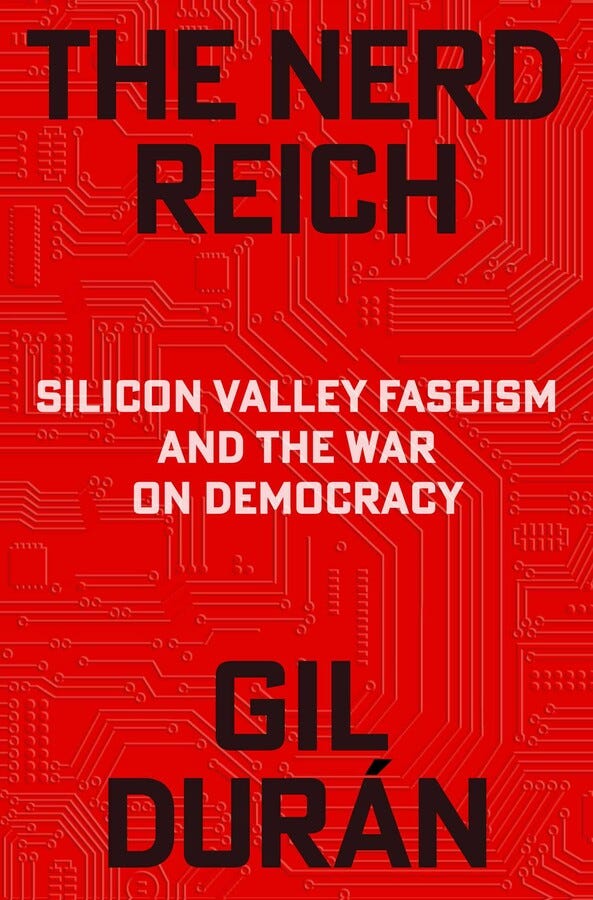
American Vandal Pod | New Republic | The Guardian
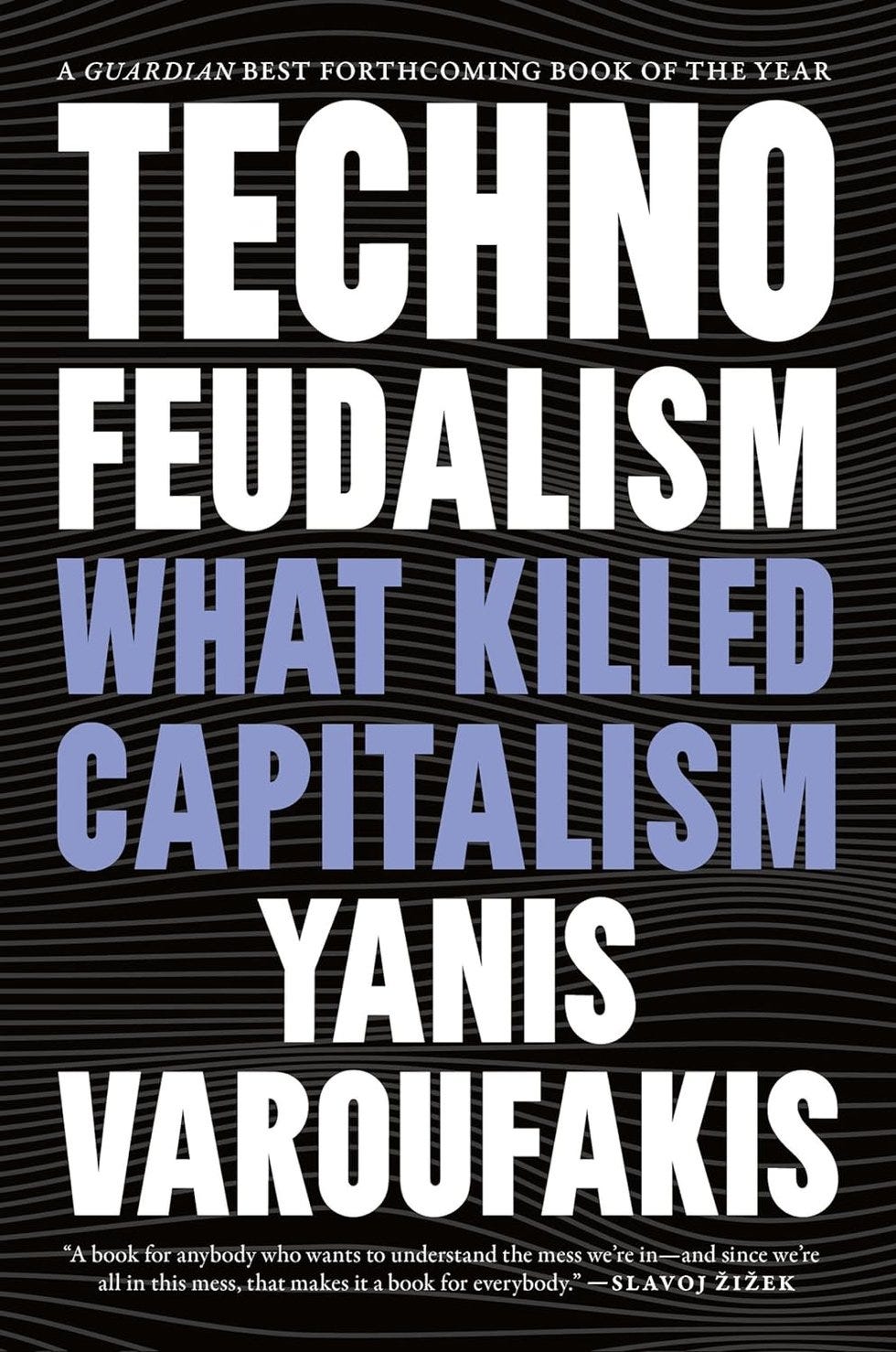
American Vandal Pod | Wired | Project Syndicate
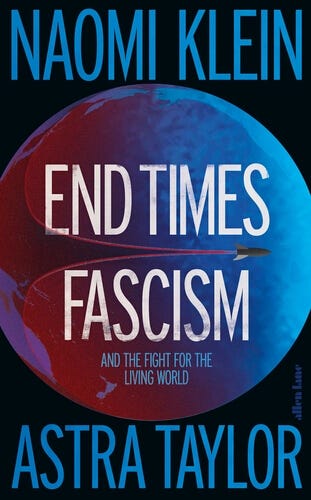
The Guardian | American Vandal Pod

American Vandal Pod | New York Review of Books
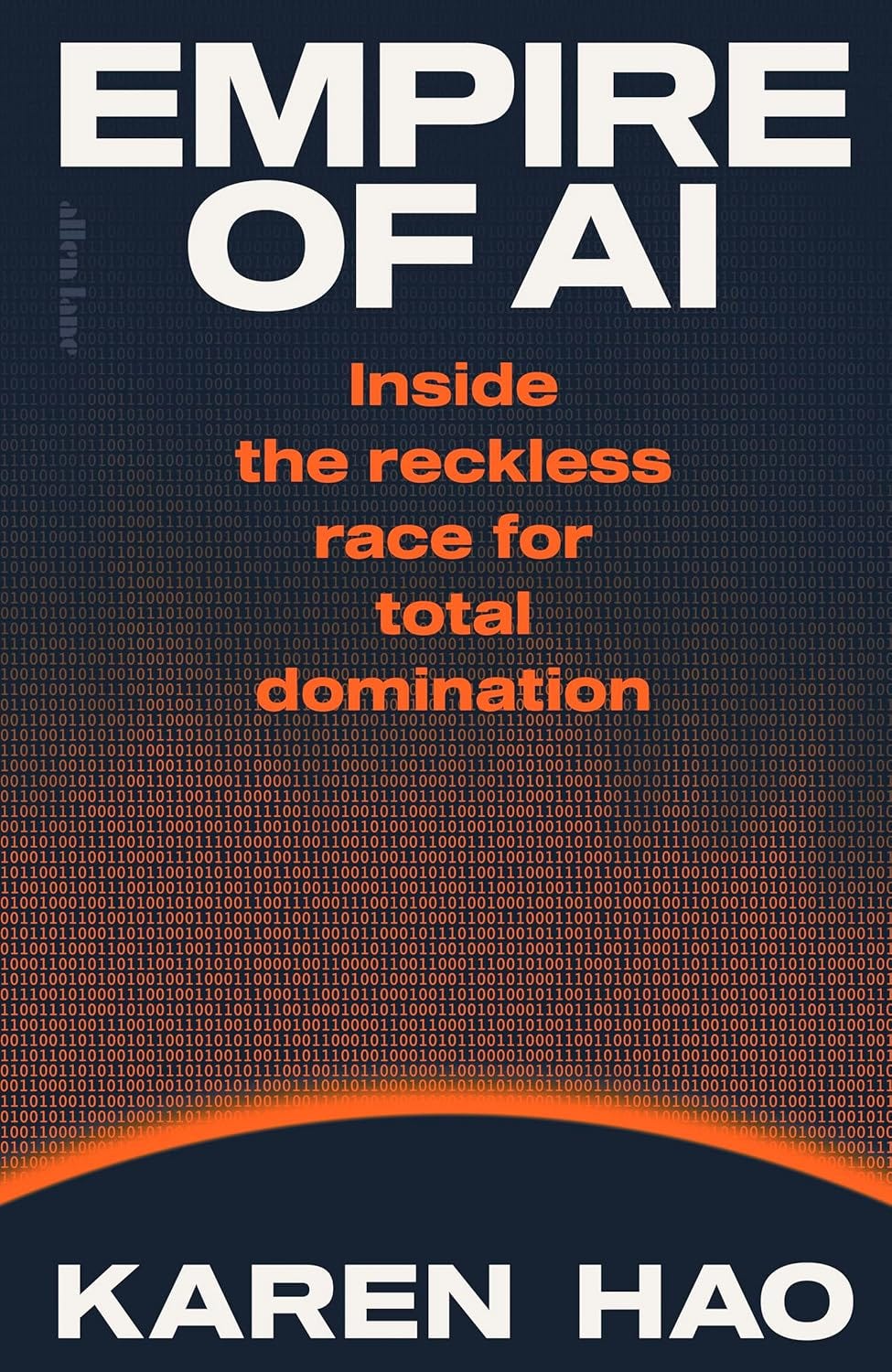
MIT Tech Review | LRB | American Vandal
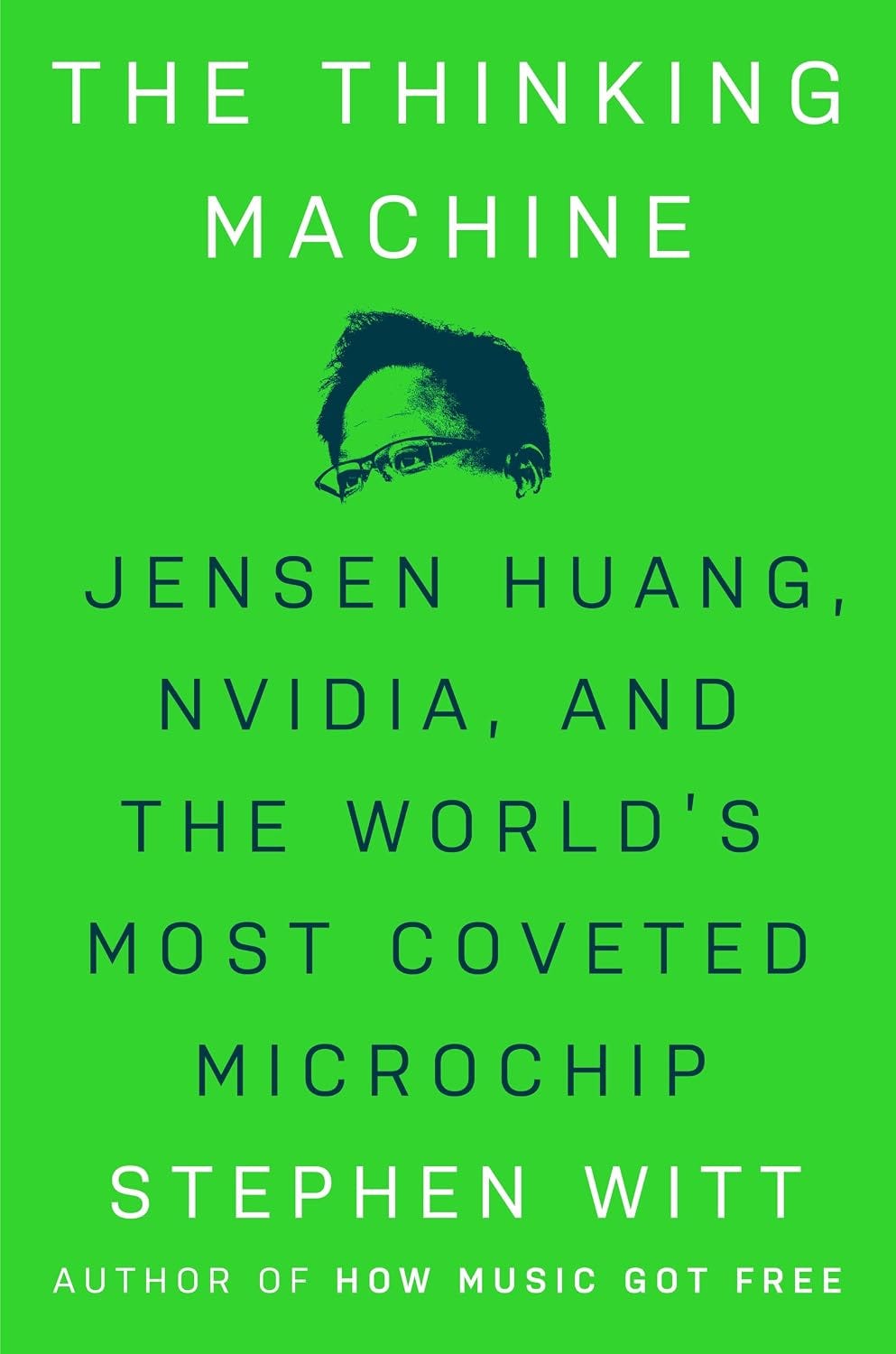
The Guardian | LRB | The New Yorker Pod
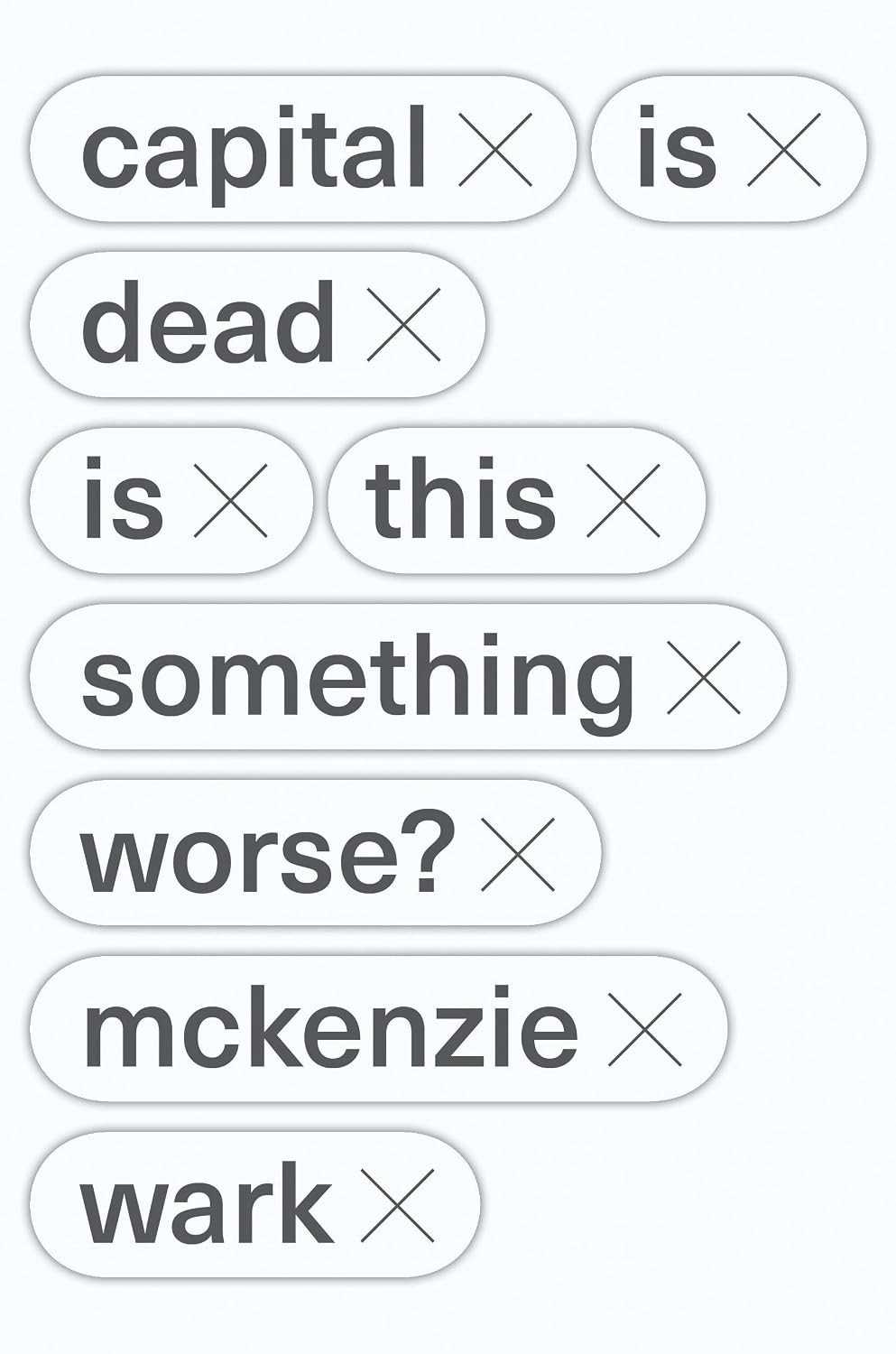
American Vandal Pod | e-flux
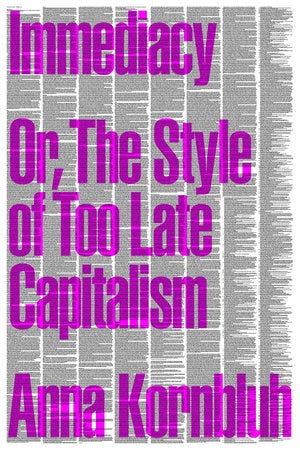
American Vandal Pod | The Baffler | Public Books
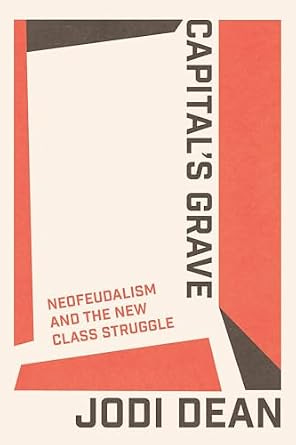
Los Angeles Review of Books
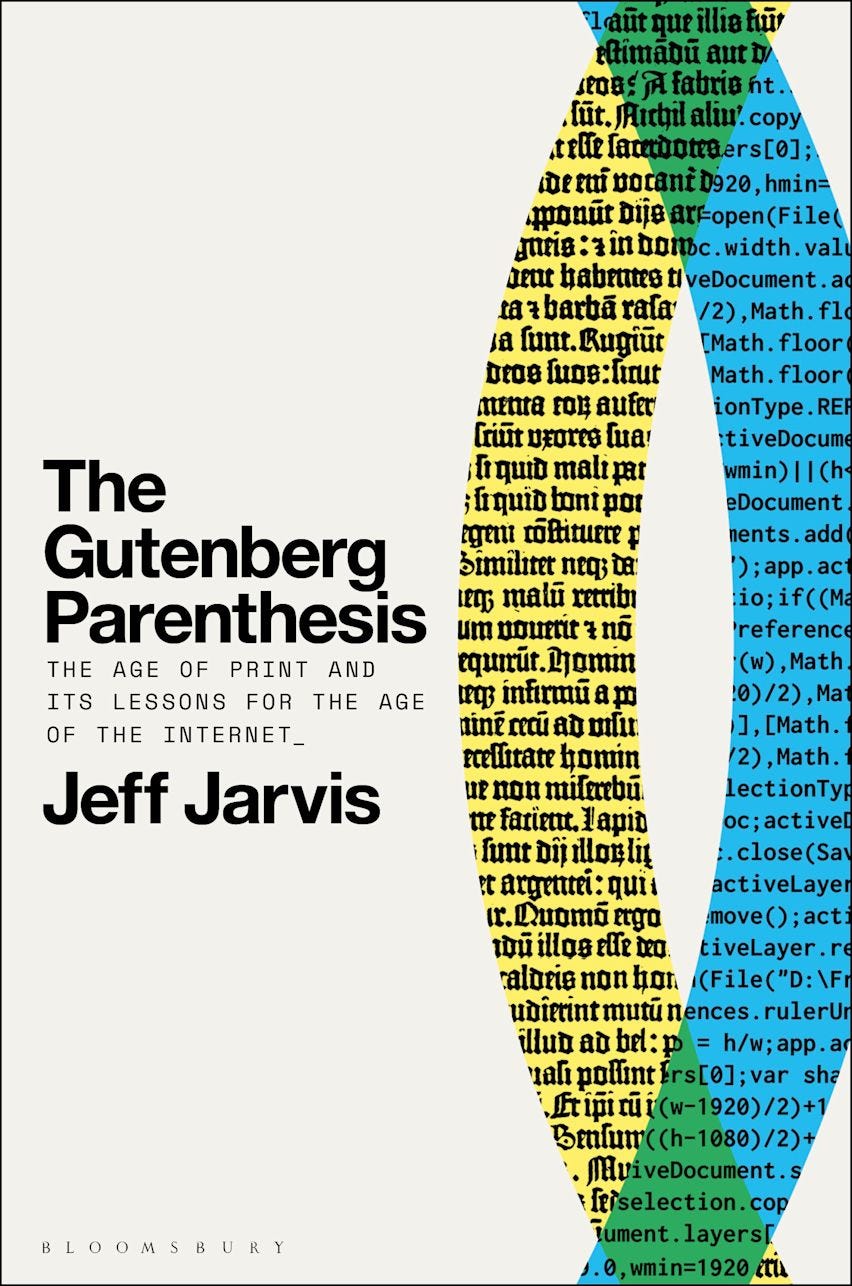
American Vandal Pod | MIT Media Studies
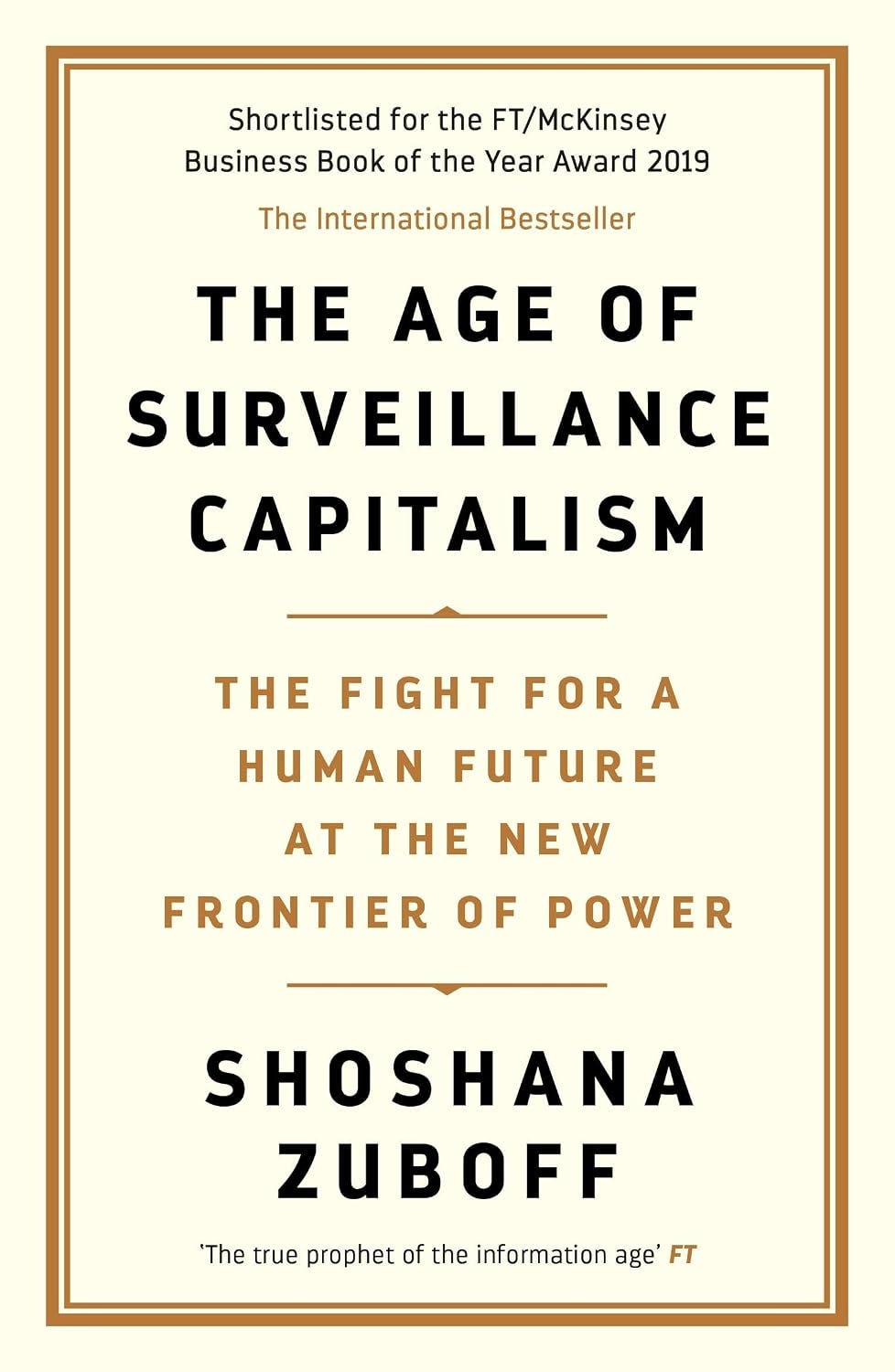
Los Angeles Review of Books
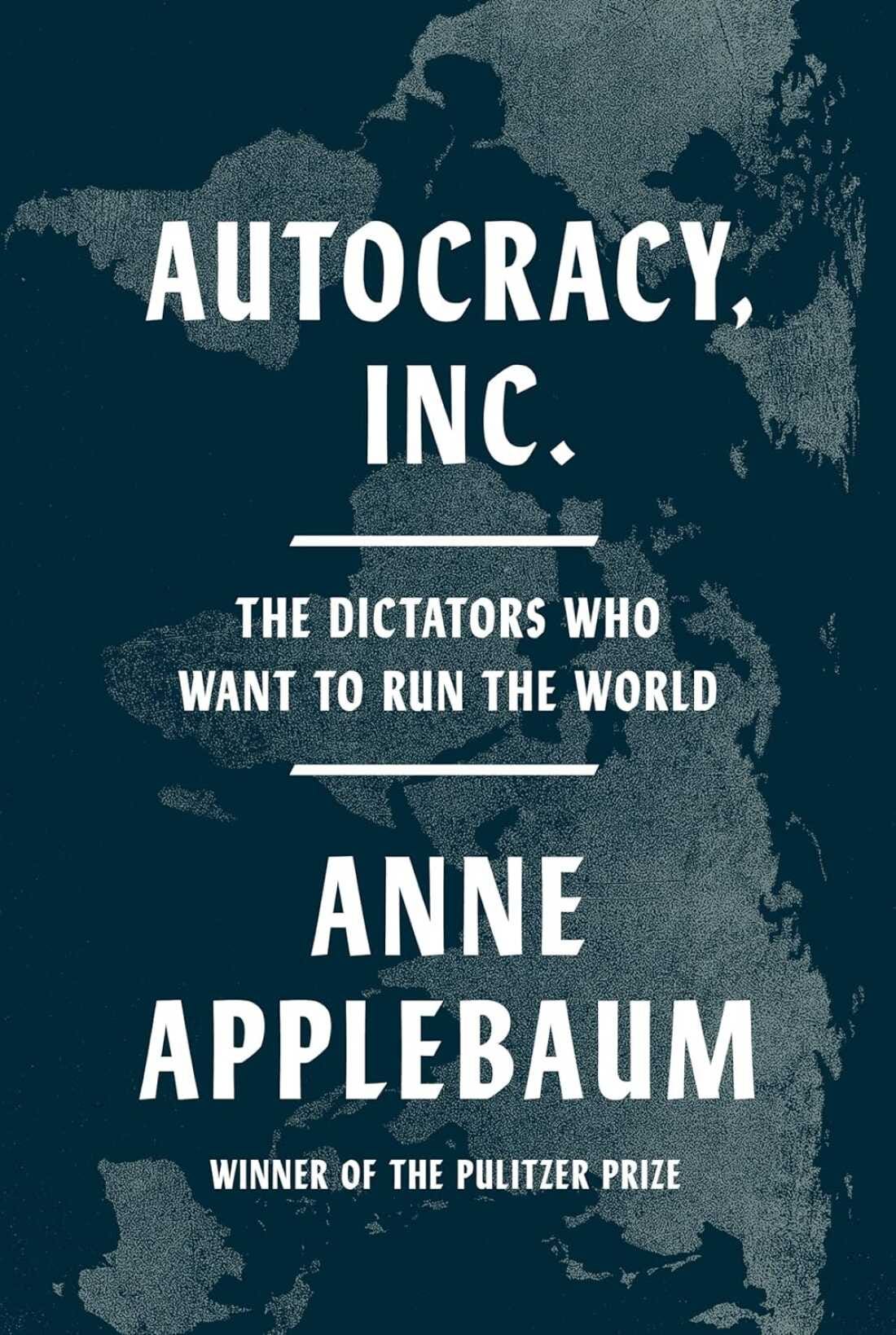

I want to acknowledge here that Cottom and I have had several exchanges, both publicly and privately, about our evolving lists over the last few months and she has made several recommendations which have been very helpful to my own thinking. There’s the potential to misread the chain of “inspiration” that Cottom describes at unidirectional. Nothing could be further from the truth.
Sarah Brouillette’s Content Machines (Duke UP, 2026), Cory Doctorow’s The Reverse Centaur’s Guide To Life After AI (Verso, 2026), and Roopika Risam’s Data Empire (HarperCollins, 2026) are front of my mind as I write this.